Introduction: Why Sustainable Materials Matter for Manufactured Homes
Sustainable construction isn’t just a trend; it’s become a fundamental part of how homes are built in the U.S., Canada, and beyond. In the world of manufactured and modular housing, where efficiency, affordability, and environmental impact are equally important, sustainable materials offer unique opportunities. Because much of the work happens in controlled factory settings, manufactured homes can take the lead in reducing waste, improving quality, and standardizing green innovations at scale.
This article dives into how sustainable materials are shaping the future of manufactured home construction—whether you’re a homeowner, builder, or investor curious about eco-friendly housing.
Benefits of Sustainable Construction for Manufactured Homes
Environmental Advantages
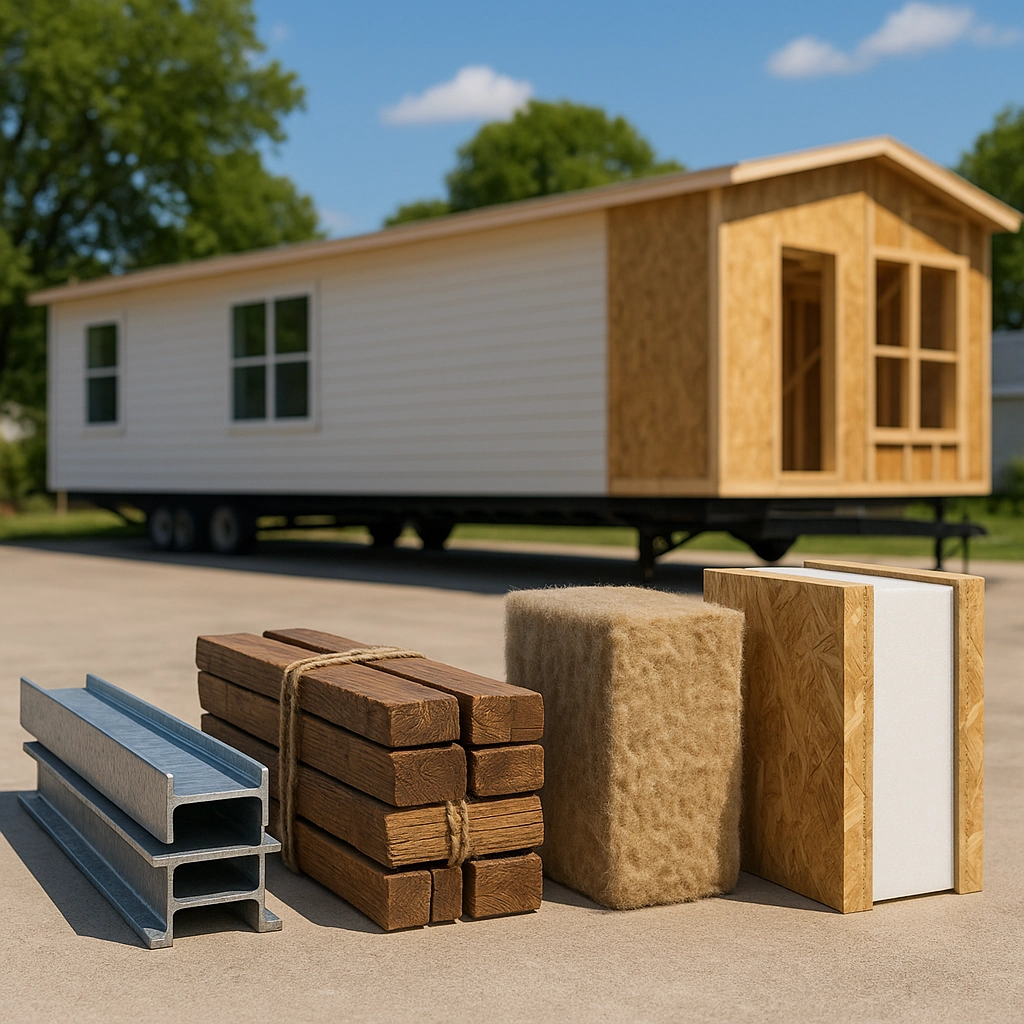
- Lower Carbon Footprint: Materials like engineered timber and recycled steel emit far less carbon than traditional counterparts. Using these new-age products slashes the overall environmental impact, especially when paired with factory precision.
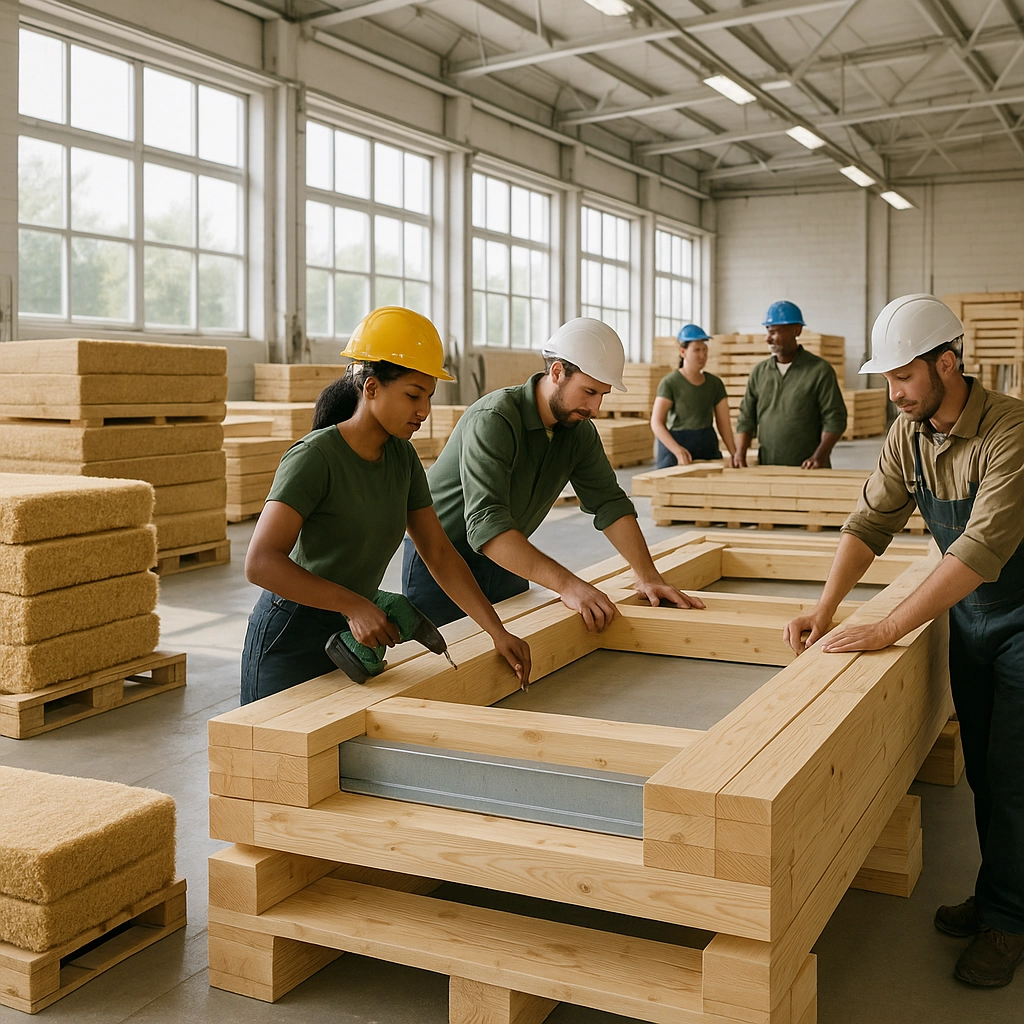
- Resource Conservation: Factory settings allow for accurate measurement and cutting, resulting in up to 50% less construction waste than traditional site builds.
- Recycled Content: From insulation made of shredded denim to reclaimed timber for walls and floors, manufactured homes increasingly use recycled materials, keeping waste out of landfills.
Economic and Operational Benefits
- Lower Utility Bills: Pairing robust insulation (think SIPs panels) with high-performance windows means homeowners can often reduce heating and cooling costs by up to 40%.
- Durability: Sustainable choices like rot-resistant engineered wood and corrosion-proof recycled steel mean less maintenance and longer home life.
- Market Value: Energy efficiency and green certifications make homes more attractive to buyers and renters, supporting higher resale value.
Social and Health Benefits
Good air quality and comfort matter. Using low-VOC paints and formaldehyde-free cabinetry slashes harmful off-gassing. Paired with better insulation, these materials help regulate temperature and moisture—which boosts overall wellbeing and health.
Common Sustainable Materials Used in Manufactured Home Construction
Structural and Framing Materials
- Engineered Timber: Products like cross-laminated timber (CLT) and laminated veneer lumber (LVL) hit the sweet spot of strength, sustainability, and weight reduction.
- Recycled & Low-Carbon Steel: Used widely for framing, steel with high recycled content is strong, lightweight, and corrosion-resistant.
- Composite Frames: Hybrid options like fiber-reinforced polymers are especially durable in harsh climates.
Insulation, Finishes, and Interior Materials
- Low-VOC Paints and Finishes: GREENGUARD-certified products significantly improve indoor air quality.
- Formaldehyde-Free Cabinets and Adhesives: Safer for families and workers alike.
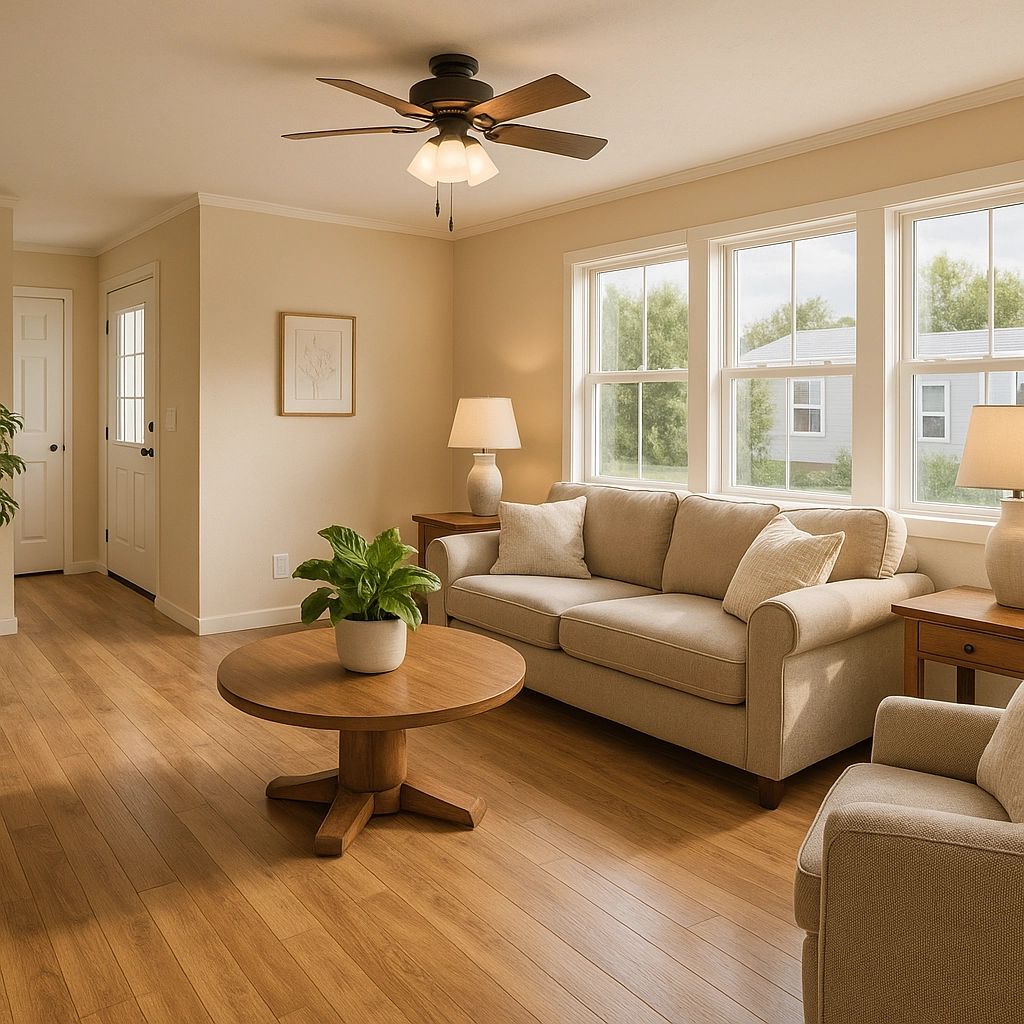
- Sustainable Flooring: FSC-certified wood, bamboo, cork, as well as recycled vinyl options, help keep footprints light.
- Eco-Friendly Panels and Pods: Structural insulated panels (SIPs) and prefabricated modular pods simplify assembly and boost airtightness.
Innovative & Bio-Based Materials Emerging in the Market
- Hempcrete: Provides carbon-negative insulation and moisture regulation.
- Mycelium: This fungi-based material is lightweight, strong, and fully biodegradable.
- Recycled Insulation: Materials like cellulose (from recycled paper) provide affordable, high-performance thermal barriers.
Certified Green Home Materials and Standards
What Are the Key Certifications?
- ENERGY STAR: For energy efficiency on windows, appliances, and homes.
- LEED: Comprehensive green building standard covering energy, water use, material choices, and more.
- GREENGUARD: Focused on interior air quality and low-emissions products.
- FSC (Forest Stewardship Council): Verifies sustainable forestry for wood and paper products.
- Passive House: Prioritizes extremely low energy use.
These certifications help buyers and lenders trust environmental claims, while unlocking rebates and green loans.
How Certification Translates into Real-World Impact
While certified products sometimes cost a bit more upfront, they often pay for themselves with lower energy use, improved durability, and market recognition. In many markets, homes with green certifications sell faster and at a premium.
Best Practices for Builders, Homeowners, and Investors
- Always request certificate copies and product datasheets from suppliers.
- Use Environmental Product Declarations (EPDs) to verify the claims of new materials.
- Keep a materials log per home for marketing, warranty, and resale value.
Recycled Materials and Circular Approaches in Manufactured Home Construction
Using Recycled Materials
- Recycled Metals: Essential for framing, siding, and fasteners.
- Reclaimed Wood: Adds character and reduces the need for new timber.
- Recycled Insulation: Denim and paper-based cellulose are popular, effective, and affordable.
Manufacturing and Assembly for Reuse
Factories specializing in modular housing can standardize recycled-content materials and streamline recycling of remnants. Some companies even design modular connections for easy disassembly, enabling component reuse (think bathroom pods that bolt, rather than glue, into place).
Performance and Supply Considerations
Not all recycled materials are created equal. Performance standards matter, and reputable suppliers should always provide documentation showing code compliance and third-party testing. The good news: as recycled materials go mainstream, supply is becoming more stable and affordable.
Market Impacts: Demand, Valuation, and Buyer Preferences
Sustainability’s Influence on Home Value
- Value Premium: Green-certified manufactured homes typically sell for 2-10% more than standard equivalents.
- Faster Sales: Transparency about certifications—like “ENERGY STAR certified” or “FSC flooring installed”—boosts buyer confidence.
Consumer and Investor Trends
- Millennials and Gen Z: Pricier but greener options appeal to these buyers, who often value energy savings and health benefits.
- Builders: Standardizing green options helps control costs and speeds production.
- Lenders & Investors: Improved durability and reduced vacancy rates make green manufactured homes attractive investments, especially with green mortgages and insurance discounts available in many markets.
Regional Factors
Local incentives and energy prices play a major role. Areas with high utility costs or robust green incentive programs (see DSIRE database in the U.S.) see the biggest boost in sales and demand for eco-friendly manufactured homes.
Practical Guidance: How to Choose Sustainable Materials for Your Manufactured Home
Smart Decision Framework
- Performance: Will it meet energy, durability, and code standards?
- Certification: Is it verified by a reputable third party?
- Cost & Longevity: What’s the total lifecycle cost?
- Supply: Can you source it reliably for one home—or a thousand?
- End-of-Life: Can it be reused or recycled?
Talking with Suppliers and Contractors
Don’t be shy—ask questions:
- Is there a third-party certificate?
- What’s the recycled content?
- How do you manage quality control?
- What’s the warranty and maintenance schedule?
A sample checklist:
- Certifications (ENERGY STAR, LEED, FSC, etc.)
- Environmental Product Declarations
- Warranty documents
- Installation/maintenance instructions
- Logistic info for prefab modules
Financing and Maintenance
Green homes often qualify for special mortgages and incentives. Explore programs in your area—U.S. readers can check DSIRE (https://www.dsireusa.org/). Once you’re in your home, follow the manufacturer’s maintenance schedule (especially for filters, HVAC, and envelope checks) to protect both value and health.
Conclusion: What’s Next for Sustainable Manufactured Homes?
Sustainable materials for homes—especially in the manufactured housing space—do more than help the planet. They lower costs, improve wellbeing, and help homes retain value as buyer expectations rise. The sector is now awash in proven and emerging materials, smart design practices, and certifications that provide real results.
Best takeaways:
- Homeowners: Focus on insulation, airtightness, HVAC, and windows for the greatest impact.
- Builders: Standardize certified materials, document everything, and educate your team and buyers.
- Investors: Seek manufacturers with transparent sourcing, repeatable quality, and a track record of green compliance.
If you’re considering a project or upgrade, start by reviewing one aspect of your design—maybe insulation or cabinetry. Request certification docs and see if you can snag an energy or green material rebate. Tiny improvements, over time, make a big difference.
Want to learn more about eco-friendly, high-quality manufactured homes? Check out Affinal Homes or explore our sitemap for more resources: Sitemap.
Further Reading:
Ready to make your next home both modern and sustainable? Get started today with small changes—and watch the benefits grow!