
If you're a first-time homebuyer watching the market and wondering when things might get easier, we've got some potentially great news. Several proposed changes on the legislative horizon could put thousands of dollars back in your pocket when you're ready to make that big purchase. Let's break down what's coming and how it could impact your homebuying journey.
The Big Kahuna: A Potential $15,000 Tax Credit
The most exciting development for first-time buyers is a proposed federal tax credit that could be worth up to $15,000. This isn't just another small tax break – we're talking about serious money that could make the difference between renting forever and finally getting those keys in your hand.

Here's how it would work: you'd get 10% of your home's purchase price back as a refundable tax credit, capped at $15,000. So if you buy a $150,000 home (which is totally doable with today's manufactured housing options), you'd get the full $15,000 back. Even better, this amount is set to adjust for inflation, potentially reaching over $17,000 by 2028.
What Makes You Eligible?
The eligibility rules are pretty straightforward, but there are some important details to know:
- You can't have owned a home or been a co-signer on any mortgage in the last 36 months
- This includes primary residences, second homes, and even vacation rentals
- You can only use this credit once in your lifetime
- The credit counts as down payment assistance, which is huge for buyers who are cash-strapped
The really cool part? You can claim this credit retroactively and either get it at closing through your lender or when you file your taxes. That flexibility could be a game-changer for your financing strategy.
The reality check: This bill hasn't actually been introduced in the current Congress yet, though it was proposed twice before without getting a vote. So while it's promising, don't bank your entire homebuying plan on it just yet.
The $10,000 Property Tax Puzzle
Now let's talk about that "$10,000 question" – specifically, the current cap on state and local tax deductions (SALT). This affects how much you can deduct for property taxes on your federal return, and it's capped at $10,000 total for both property taxes and state income taxes combined.

For most first-time buyers, especially those looking at manufactured homes or starter homes in affordable areas, this cap won't be a major concern. But it's worth understanding because it affects your long-term tax planning. If you're buying in a state with high property taxes, that $10,000 cap might limit your deductions down the road.
The good news? This cap structure is staying put for now, which means you can plan accordingly. And for most entry-level home purchases, you'll likely stay well under that limit anyway.
Housing Supply Changes That Could Lower Prices
Here's where things get really interesting for long-term affordability. New legislation is focusing on something that doesn't get enough attention: actually building more homes so prices come down naturally.
The proposed changes create competitive federal grants for states and local governments that make it easier to build housing. We're talking about real reforms like:
- Reducing minimum lot sizes (great news for manufactured housing communities)
- Allowing duplexes and townhomes in more neighborhoods
- Streamlining the permitting process
- Speeding up rezoning timelines
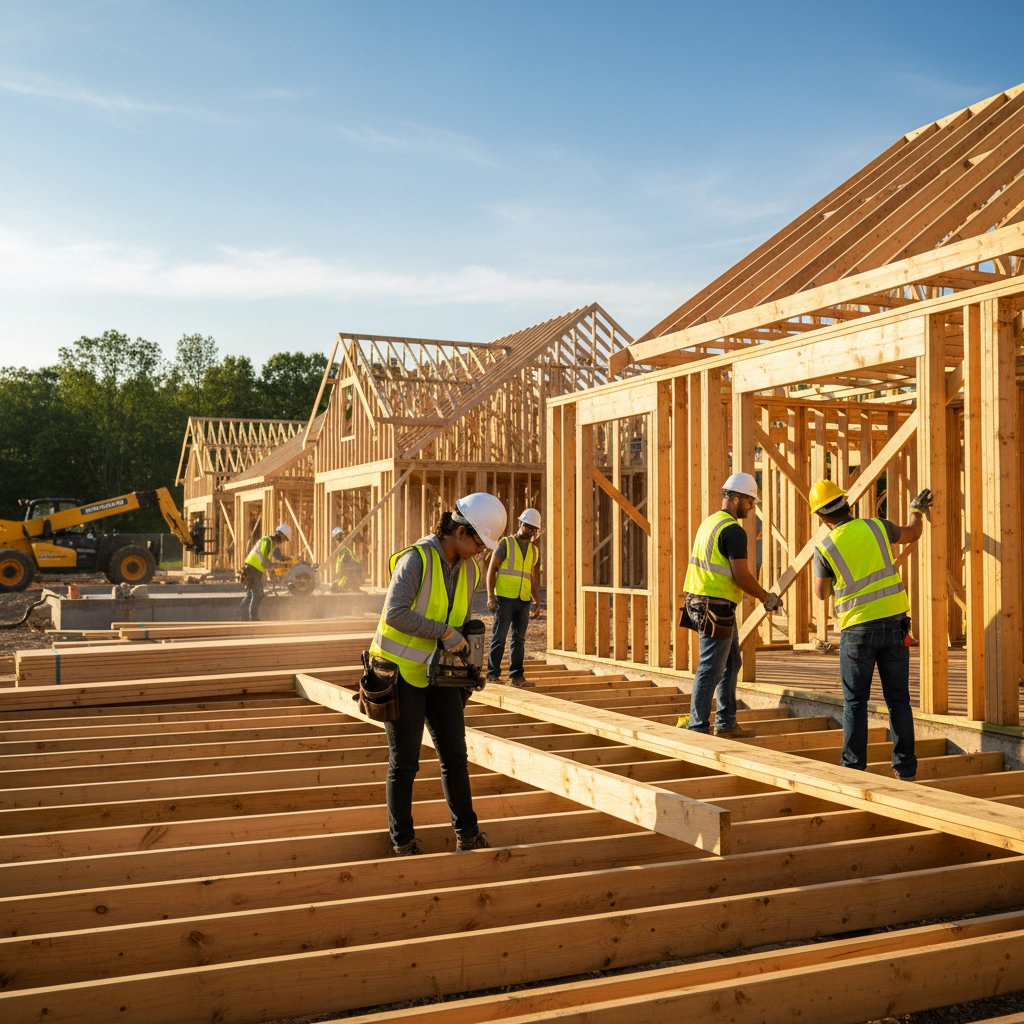
This approach tackles the root cause of high housing costs – there just aren't enough homes to meet demand. When supply increases, prices become more reasonable for everyone, not just people who qualify for specific programs.
Don't Forget the Traditional Benefits
While we're all excited about potential new credits, let's not overlook the tax benefits that are already available to homeowners:
Mortgage Interest Deduction: You can deduct the interest you pay on your mortgage, which can add up to significant savings, especially in the early years of your loan when most of your payment goes to interest.
Property Tax Deductions: Even with the $10,000 cap, you can still deduct property taxes, and for most first-time buyers, you'll be well under that limit.
These aren't flashy new programs, but they're reliable benefits that you can count on when you become a homeowner.
What This Means for Manufactured Housing Buyers
If you're considering manufactured housing – and honestly, more people should be – these changes could be particularly beneficial. Here's why:
Manufactured homes typically have lower purchase prices, which means you're more likely to get the full benefit of percentage-based credits. That $15,000 tax credit goes a lot further when you're buying a $120,000 manufactured home versus a $300,000 site-built house.
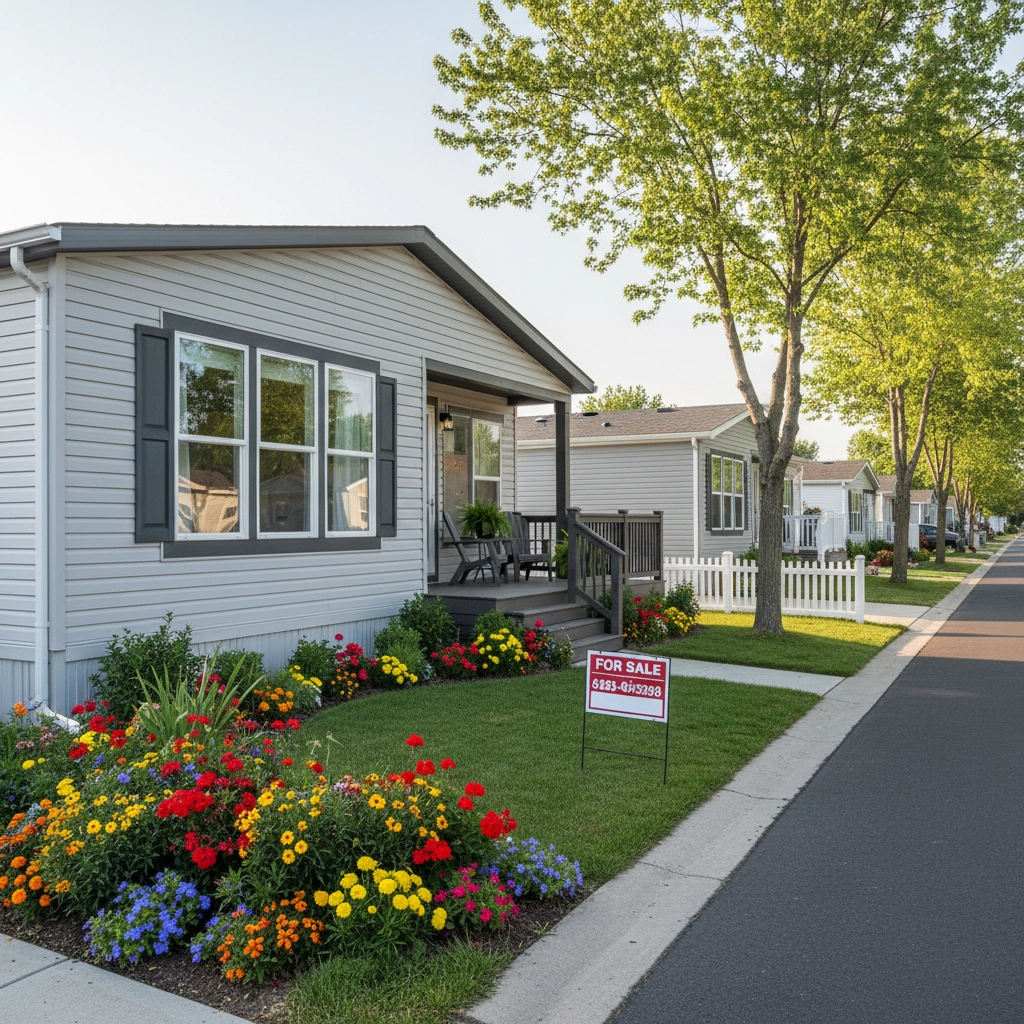
Plus, the housing supply initiatives could lead to more manufactured housing communities being approved and developed, giving you better location options and potentially keeping prices competitive.
Timing Your Purchase Strategy
So when should you buy? That's the million-dollar question (or in this case, the $15,000 question). Here's our honest take:
If the tax credit passes: It could be a game-changer, especially for buyers who've been on the fence about affordability. But don't wait indefinitely for something that might not happen.
If you're ready now: The current market still offers opportunities, especially in the manufactured housing sector. Interest rates, local market conditions, and your personal financial situation matter more than potential future benefits.
If you need more time: Use this period to improve your credit score, save for a down payment, and research your options. Being prepared means you can move quickly when the right opportunity comes along.
Making Smart Decisions Today
While we can't predict exactly which of these proposed changes will become reality, we can help you understand your current options. The manufactured housing market offers some of the best values for first-time buyers right now, with or without additional tax incentives.

The key is finding the right balance between waiting for potential benefits and missing out on current opportunities. Home values generally appreciate over time, so sometimes the best time to buy is simply when you're financially ready and have found the right home.
These proposed changes represent a recognition that homeownership shouldn't be just for the wealthy. Whether it's through direct tax credits, supply-side reforms, or maintaining existing benefits, the goal is making that first home purchase achievable for more Americans.
Keep an eye on the legislative process, but don't let uncertainty paralyze your homebuying plans. Great homes and great deals are available today, and the manufactured housing market continues to offer quality options at prices that make sense for first-time buyers.
Ready to explore your options? The team at Affinal Homes is here to help you navigate both current opportunities and future possibilities, ensuring you make the best decision for your situation.