If you've been dreaming of owning a home but feeling discouraged by rising prices and tight lending requirements, there's good news on the horizon. The path to homeownership is becoming more accessible thanks to a wave of government initiatives designed to help everyday Americans achieve their housing goals.
At Affinal Homes, we're excited to see these positive changes and want to help you understand exactly how these new programs could benefit you in your journey toward owning a manufactured home. Let's dive into the details of these game-changing grants and legislative measures that are opening doors for first-time and repeat homebuyers alike.
The New Wave of Homebuyer Assistance Programs
The federal government has recognized the growing challenges in the housing market and responded with substantial financial support programs. These initiatives are specifically designed to address the barriers many Americans face when trying to purchase a home.
Federal Home Loan Bank Grant Programs
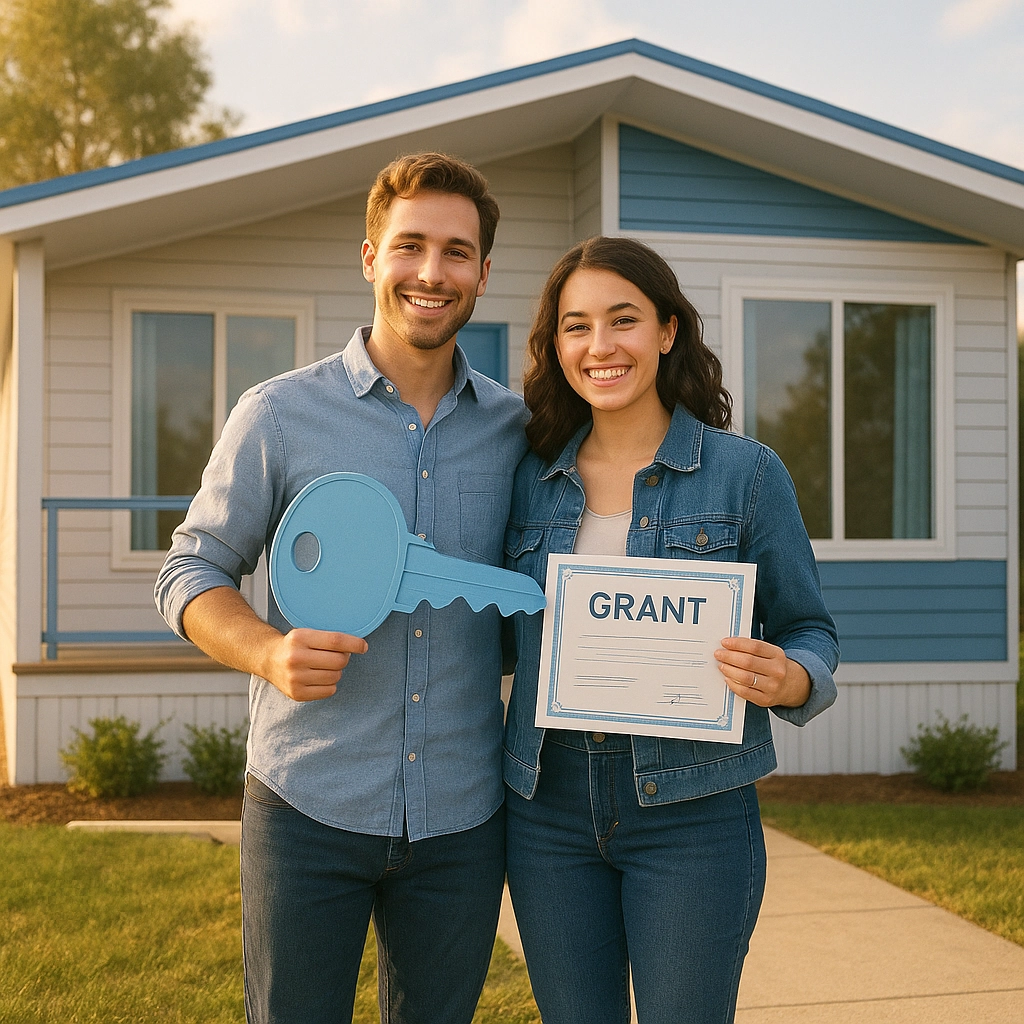
Starting in March 2025, the Federal Home Loan Bank is offering two significant grant programs that could provide the financial boost many homebuyers need:
-
Homeownership Set-Aside Program (HSP): First-time homebuyers can receive between $2,500 and $15,000 in grant money. This program is targeted at households with incomes at or below 80% of the Area Median Income (AMI), making it particularly valuable for moderate-income families looking to break into homeownership.
-
Homeownership Possibilities Expanded (HOPE): This more inclusive program offers forgivable grants up to $12,500 and is available to all eligible homebuyers, not just first-timers. The income threshold is higher as well—up to 150% of AMI—opening the door for middle-income households who may still struggle with down payments in today's market.
What makes these programs especially attractive is that they provide direct financial assistance that doesn't need to be repaid if certain occupancy requirements are met. For many would-be homeowners, this could mean the difference between continuing to rent and finally owning their own place.
Biden-Harris Administration Housing Initiatives
The current administration has made affordable housing a priority, launching initiatives totaling $350 million in federal grants. These funds aim to:
- Remove regulatory barriers to affordable housing production
- Support transit-oriented developments with loans for building more than 300 housing units near public transportation
- Increase the overall housing supply, which helps stabilize or even lower housing costs in the long run
These measures address not only the financial hurdles of homebuying but also the underlying supply issues that have driven up home prices across the country.
Groundbreaking Legislation Changing the Homeownership Landscape
Beyond direct financial assistance, new and proposed legislation is reshaping the homebuying process to be more inclusive and affordable.
The Housing Crisis Response Act of 2023
This comprehensive legislation includes several provisions specifically designed to make homeownership more attainable:
-
$10 billion allocated for down payment and closing cost assistance: This funding is expected to help approximately 273,000 first-generation homebuyers who lack the intergenerational wealth that often makes down payments possible.
-
$5 billion for the LIFT loan program: This innovative program offers 20-year FHA and USDA mortgages to an estimated 163,000 homebuyers. With shorter loan terms than traditional 30-year mortgages, borrowers build equity faster and pay less interest over the life of the loan.
-
$900 million for rural home repair: This funding will help approximately 18,000 rural households make necessary repairs to their homes, preserving affordable housing stock in areas where new construction is limited.
Pending Legislation with Promising Potential
The Downpayment Toward Equity Act, introduced in 2021, proposes $25,000 grants for first-time homebuyers. While this legislation hasn't yet passed, it represents the ongoing commitment to expanding homeownership opportunities and could provide substantial assistance if enacted.
Special Focus on Underserved Communities and Housing Types
What's particularly exciting about the current wave of housing initiatives is the attention being paid to traditionally underserved communities and housing market segments.
Small-Dollar Mortgage Programs
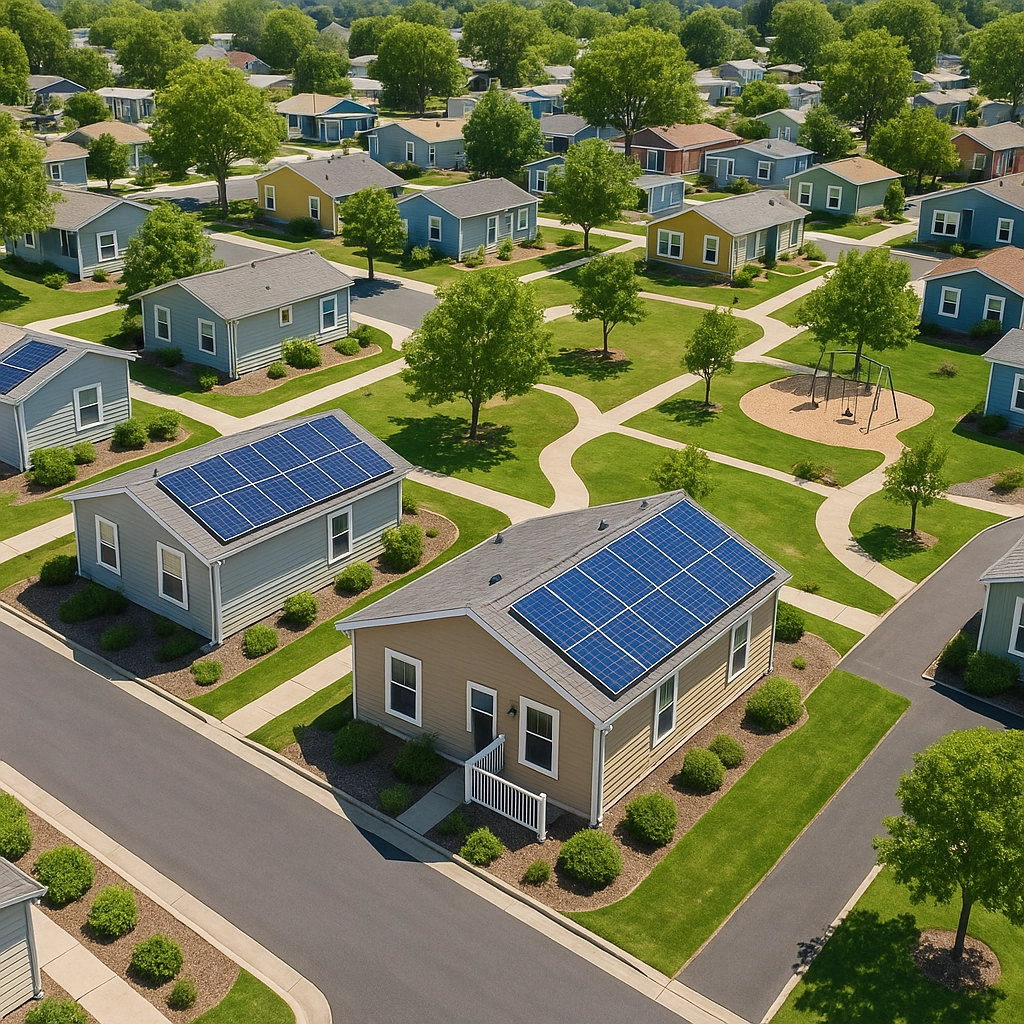
A $100 million allocation has been dedicated to expanding mortgage options for homes valued under $100,000. This is especially relevant for manufactured housing buyers, as these homes often fall into this price range but have historically been more difficult to finance through traditional mortgage products.
Fair Housing Enforcement
With $100 million dedicated to combating discriminatory practices, these initiatives aim to ensure that all Americans have equal access to housing opportunities regardless of race, ethnicity, gender, or other protected characteristics.
How Manufactured Housing Fits into the New Homeownership Landscape
manufactured homes represent one of the most affordable paths to quality homeownership—and the government has taken notice. Many of these new programs can be applied to manufactured home purchases, making this housing option even more accessible.
Benefits of Using Government Programs for Manufactured Home Purchases
-
Lower entry costs: Combining the inherently lower cost of manufactured homes with down payment assistance can dramatically reduce the upfront investment needed.
-
Quality housing at affordable prices: Today's manufactured homes offer quality, energy efficiency, and modern designs that rival site-built homes at a fraction of the cost.
-
Faster path to ownership: The streamlined construction process for manufactured homes, combined with expedited assistance programs, can get you into your own home more quickly than traditional building methods.
At Affinal Homes, we specialize in helping buyers navigate the manufactured housing market and take advantage of these government programs. Our team stays up-to-date on all available assistance options to ensure our customers can access every benefit they qualify for.
Income Eligibility and How to Qualify
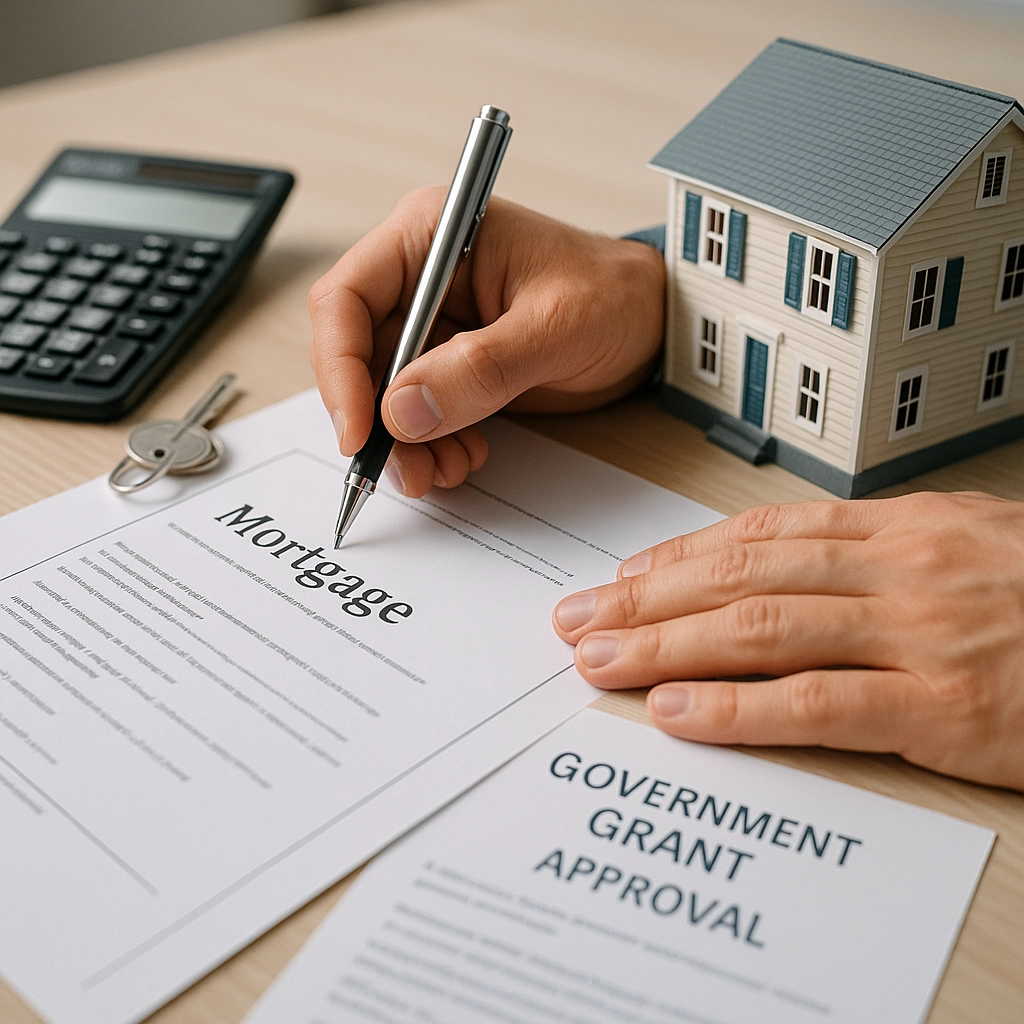
Most of these programs are tied to income thresholds relative to the Area Median Income (AMI) in your region. Here's a quick guide to understanding if you might qualify:
- Low-income programs (like HSP): Typically available to households earning up to 80% of AMI
- Moderate-income programs (like HOPE): Often available to households earning up to 150% of AMI
- First-generation homebuyer programs: Available regardless of income if neither you nor your parents previously owned a home
The specific AMI for your area depends on your location and household size. At Affinal Homes, we can help you determine which programs you qualify for based on your specific circumstances.
How to Take the Next Steps
With so many programs available or on the horizon, navigating the options can feel overwhelming. Here's a simplified process to get started:
-
Assess your financial situation: Review your credit score, savings, and current income to understand your starting point.
-
Research local AMI figures: Look up the Area Median Income for your specific location to determine which programs you might qualify for.
-
Connect with housing counselors: HUD-approved housing counselors can provide free guidance on available programs and the application process.
-
Contact Affinal Homes: Our team can help you find the perfect manufactured home and guide you through applying for applicable assistance programs.
-
Prepare necessary documentation: Most programs require proof of income, tax returns, bank statements, and other financial documentation.
Conclusion: A Brighter Future for Homeownership
The combination of direct financial assistance, policy reforms, and attention to affordable housing options like manufactured homes is creating unprecedented opportunities for homeownership. Whether you're a first-time buyer, a first-generation homeowner, or simply looking for an affordable path to quality housing, there's likely a program designed to help you achieve your goals.
At Affinal Homes, we're committed to helping our customers navigate these opportunities and find their perfect manufactured home. The dream of homeownership is becoming more attainable than ever—and we're here to help you make it a reality.
Ready to explore how these programs could help you become a homeowner? Visit our website or contact our team today to learn more about available homes and assistance programs in your area.