Ever wondered about the difference between a mobile home and a manufactured home? If the terms seem interchangeable, you’re not alone—it trips up a lot of folks! But despite the similarities, there are important differences that can impact your investment, financing options, and lifestyle.
Let’s break down what sets them apart, what each offers, and how to make the right choice for your next home.
What Are Mobile Homes and Manufactured Homes?
First things first: these terms refer to distinct types of factory-built homes. They’re both known for affordability and speed of installation, making them popular alternatives to traditional site-built houses. But the key factors are construction date and standards.
- Mobile homes: Built before June 15, 1976. These homes do not meet the federal HUD (U.S. Department of Housing and Urban Development) code, which established crucial safety and quality standards.
- Manufactured homes: Built on or after June 15, 1976, and must comply with the HUD code. These homes have evolved with better safety, materials, and energy efficiency.
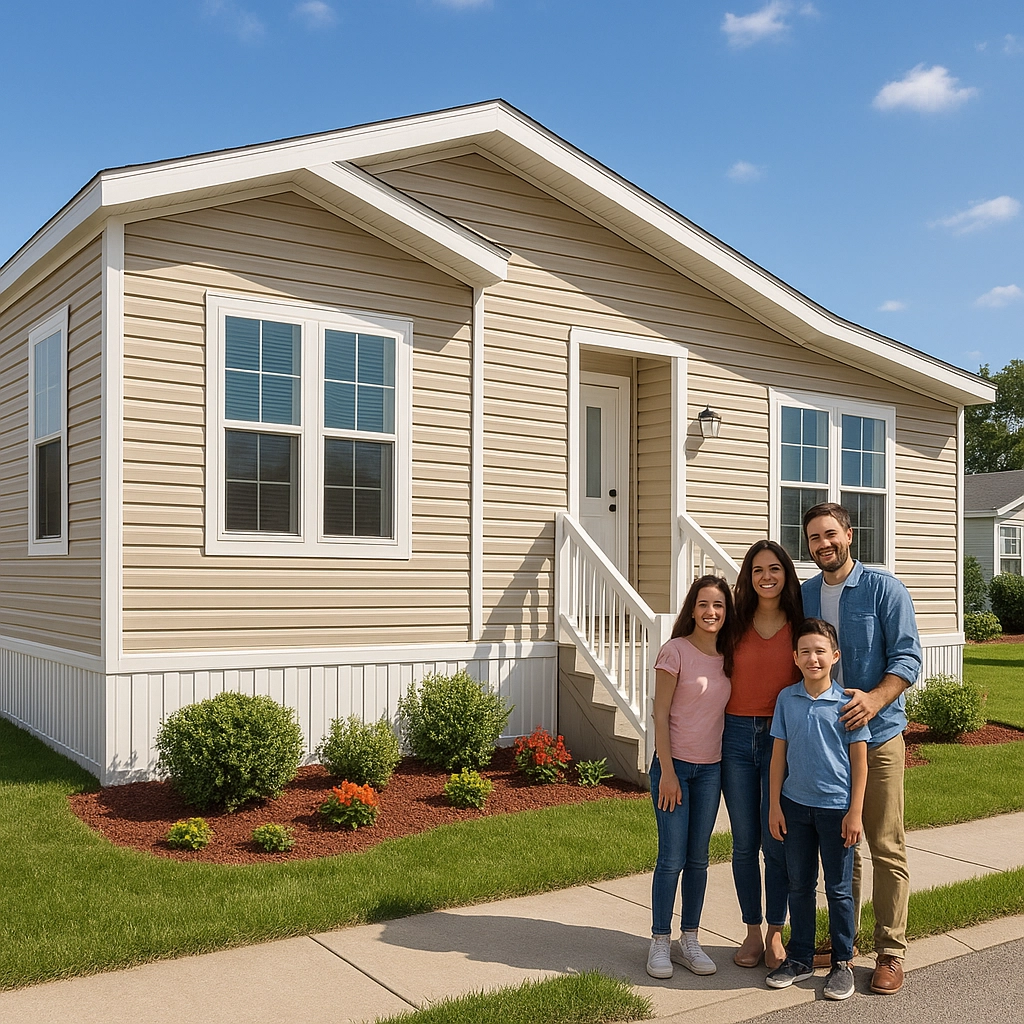
Modern manufactured homes offer great curb appeal and upgraded features.
Mobile Homes: The Classic, Pre-1976 Option
Mobile homes, sometimes called “trailers,” were a staple of affordable housing before the mid-1970s. However, without federal oversight, their safety features, durability, and energy efficiency lag behind today’s standards.
Typical Features of Mobile Homes:
- Constructed before June 15, 1976
- Built offsite, then transported to their location
- Usually sit on temporary foundations (like concrete blocks or pads)
- Often considered personal property (not real estate)
- Fewer financing options, typically higher interest rates
- Insurance can be pricey, especially in weather-prone areas
- Limited customization or modern amenities
Pros
- Lower initial purchase price
- Can offer a quick housing solution
- Sometimes available in established communities or parks
Cons
- More difficult to finance or insure
- Lower overall build quality and safety standards
- Generally depreciate in value like a car
- Harder to upgrade or remodel
Manufactured Homes: Affordable Living Meets Modern Standards
manufactured homes are today’s gold standard in factory-built housing. Since the 1976 federal HUD code, these homes must meet strict guidelines for safety, efficiency, fire resistance, wind durability, and more. Modern manufacturing means stylish exteriors, spacious layouts, and plenty of customization.
Key Features of Manufactured Homes:
- Built after June 15, 1976 to today’s federal HUD standards
- Can be placed on either temporary or permanent foundations
- When permanently affixed, can be classified as real property—this opens the door to traditional mortgages and better resale value
- Wider range of design options: open floor plans, energy-saving windows, luxury kitchens, and more
- Insurance and financing options are more flexible
- Better suited for today’s energy codes—lower monthly bills!
Pros
- Meet updated safety, energy, and construction standards
- Increased options for financing and insurance
- Customizable floor plans and finishes
- Can appreciate in value, especially when set on permanent foundations
Cons
- Still can face zoning or community restrictions in some areas
- Slightly higher starting cost than older mobile homes
- May require land purchase or higher setup fees if not placed in a community
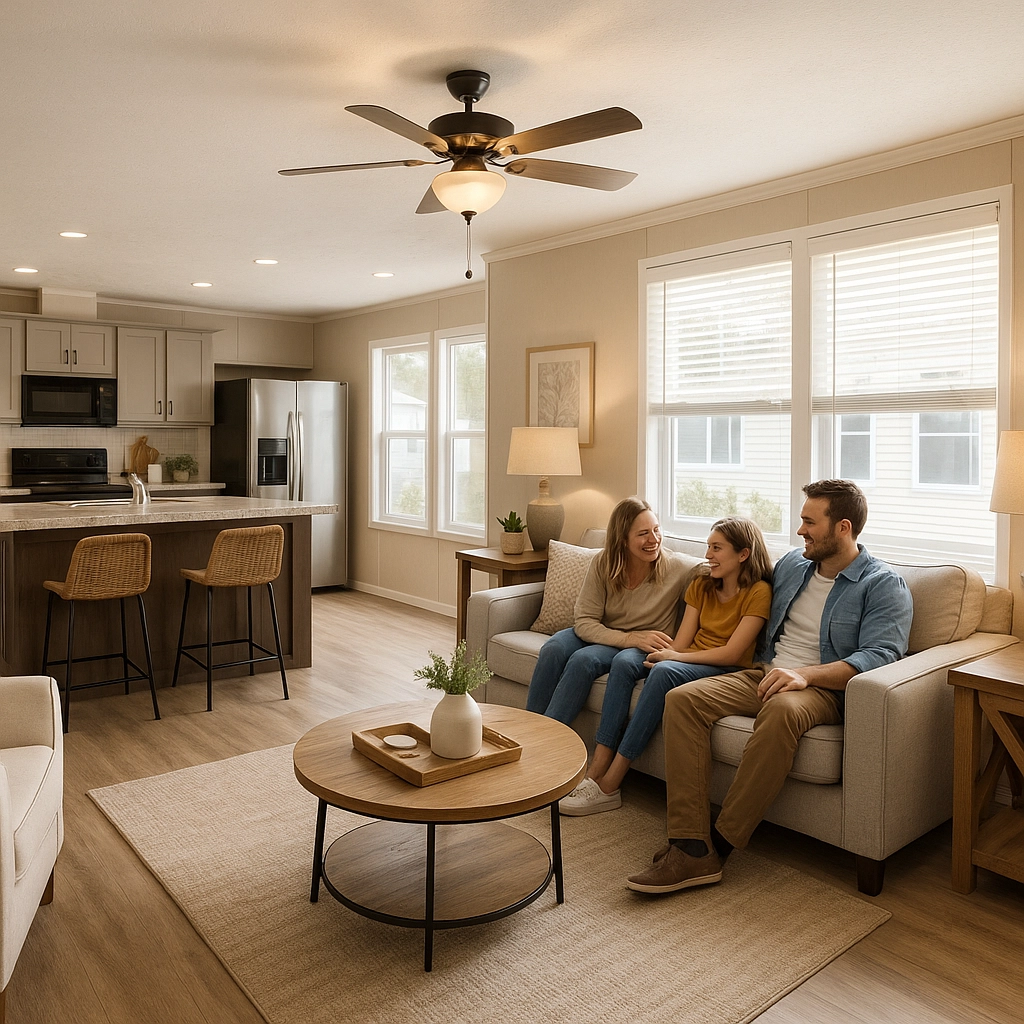
Spacious, open interiors are a hallmark of modern manufactured homes.
Side-by-Side: Comparison Table
| Feature | Mobile Homes | Manufactured Homes |
|---|---|---|
| Construction Date | Pre-June 15, 1976 | Post-June 15, 1976 (HUD) |
| Building Standards | No federal code | Must meet HUD code |
| Foundation Type | Almost always temporary | Temporary or permanent |
| Property Type | Personal property | Can qualify as real estate |
| Value Progression | Depreciate like vehicles | Can appreciate, esp. with permanent foundation |
| Insurance | Limited, higher premiums | Broader and cheaper |
| Safety & Durability | Lower | Better (fire, wind, etc.) |
| Energy Efficiency | Low | High |
| Customization | Minimal | Broad range of options |
| Financing Options | Limited, higher interest | Traditional available |
| Resale Market | Small and declining | Growing and flexible |
Buying Guidance: Which One Is Right for You?
Deciding between a mobile home and a manufactured home isn’t just a matter of price—it’s about finding the best value and fit for your lifestyle.
Opt for a Manufactured Home If You:
- Want the latest safety and energy standards
- Plan to stay put and may want your home classified as real property (for better resale and financing)
- Want to customize your space (floor plan, finishes, appliances, etc.)
- Hope your investment holds or even gains value
- Prefer more options for mortgages and insurance
Consider a Mobile Home Only If:
- Your budget is extremely tight and you’re buying an existing unit in good condition
- You’re making a temporary move or need a quick, low-cost housing option
- You understand the limitations on financing, insurance, and appreciation
- You plan to live in a park or community with established mobile homes
Affinal Homes can walk you through every step, including financing options and site setup. Explore our website for more info.
Things to Consider Before You Buy
- Budget: Manufactured homes cost a bit more up front but often provide better value and lower monthly costs over time.
- Location: Your land or community may have restrictions on the type or age of factory-built homes allowed. Local zoning is key.
- Long-Term Goals: If this is your “forever home,” go manufactured—modern materials, better warranties, and improved resale prospects make it the clear winner for most buyers.
- Financing: Manufactured homes placed on permanent foundations can qualify for traditional loans, with better rates and longer terms. Mobile homes can be trickier to finance.
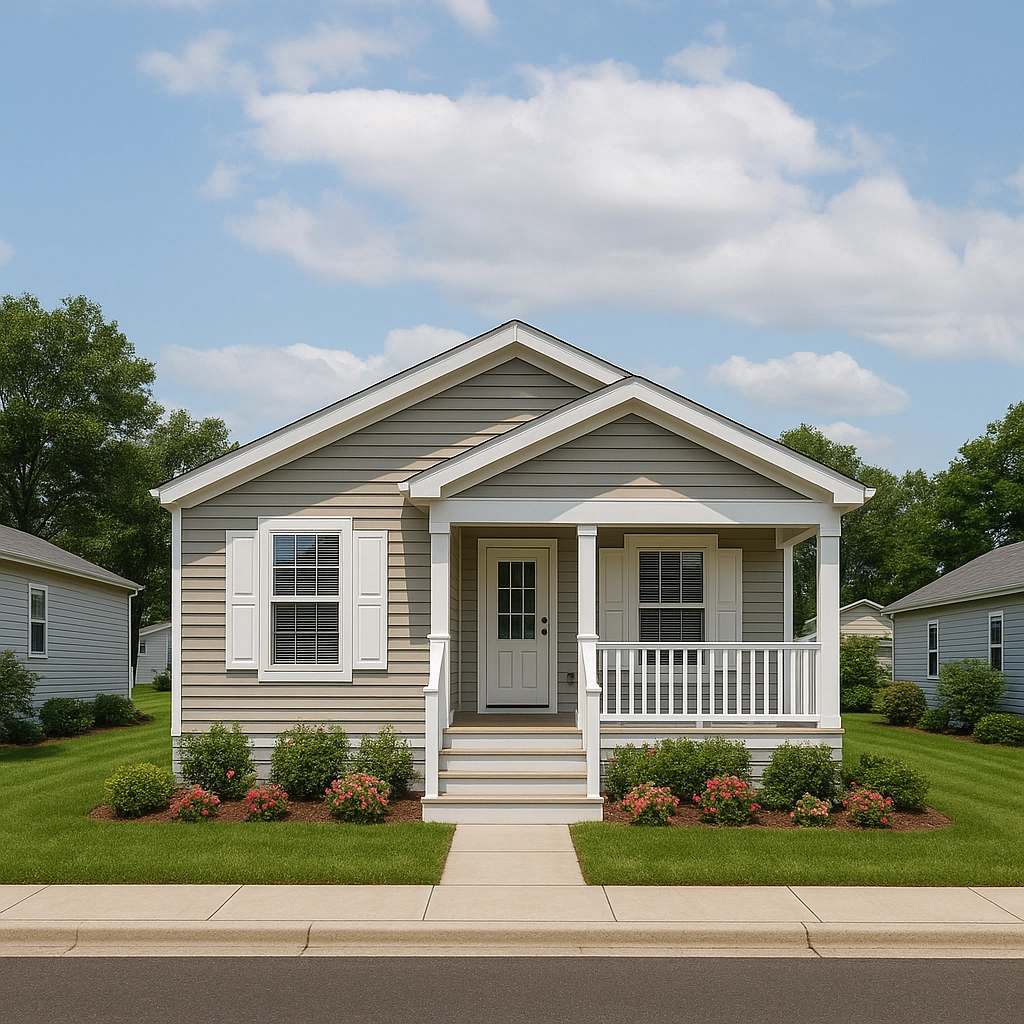
Modern exteriors blend seamlessly with established neighborhoods.
Quick Answers to Common Questions
Can I move a mobile home or manufactured home after setup?
Both are technically built to be transported, but moving a home—especially a mobile home built before 1976—can be complex and costly. Newer manufactured homes are typically designed to remain in place once installed.
Do manufactured homes require special upkeep?
Not really! Regular home maintenance (roof checks, HVAC servicing, keeping skirting intact) is all you need—just like a site-built home.
Is resale possible?
Manufactured homes set on permanent foundations and titled as real estate tend to hold value better and have broader resale options than older mobile homes.
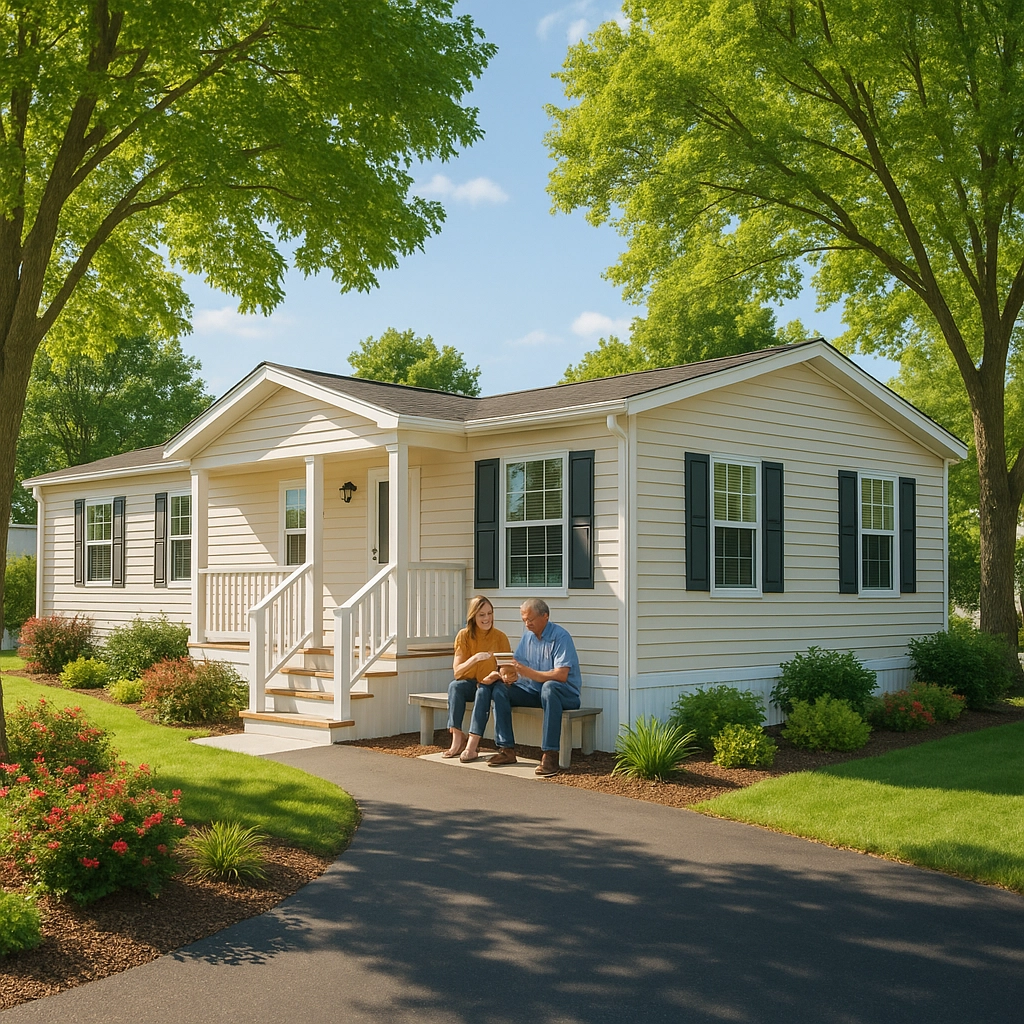
Can't tell it's factory-built? That's the power of modern design!
The Bottom Line
If you’re looking for a home that’s affordable, safe, comfortable, and ready to appreciate in value, a manufactured home is your best bet. Their sky-high standards, modern amenities, and financing flexibility outshine vintage mobile homes in just about every category.
That said, a carefully chosen, well-maintained mobile home can still make sense for certain buyers—especially on a tight budget or for short-term needs.
Ready to explore your options? Visit Affinal Homes to see what’s possible with today’s manufactured homes. Our team is here to help you compare, choose, and settle into the home that’s right for you and your family.